
A Whole New World: Introduction to Sand Tray Therapy Retreat


To be added to our email list for notifications of training dates, complete our Interested in Play Therapy Training form.
Play Therapy Training
APT Approved Provider 15-439
“A Whole New World: Intensive Introduction to SandTray Therapy.“
A small group retreat-style experience
Friday, April 30, 2027, 6 – 8 pm
(You are welcome to arrive earlier to get settled)
Saturday, May 1, 2027, 9 am – 12 pm and 2 – 6 pm
Sunday, May 2, 2027, 9 am – 2 pm
Presented by: Meg Clark Soriano, LPC, ACS, RPT-S, RST-C/T
Meg Clark Soriano is the Founder and Director of the Center for Counseling and Education, with 40 years of clinical experience and a deep specialization in attachment and trauma. As a Registered Play Therapy Supervisor (RPT-S) and a Registered Sand Therapist – Consultant/Trainer (RST-C/T) approved by the World Association of Sand Therapy Professionals, Meg occupies a unique intersection of play therapy leadership and master-level sandtray expertise.
For over 30 years, Meg has utilized sandtray play therapy to facilitate healing for children, adults, and families. Her approach bridges neurobiological research with play therapy theories, drawing from her extensive background as an EMDRIA Consultant and IFS-trained therapist. A former “NJ Counselor of the Year,” Meg is dedicated to mentoring clinicians in the art of using sandtray play therapy to move clients from survival mode to lasting connection.
In-Person Training:
Center for Counseling and Education
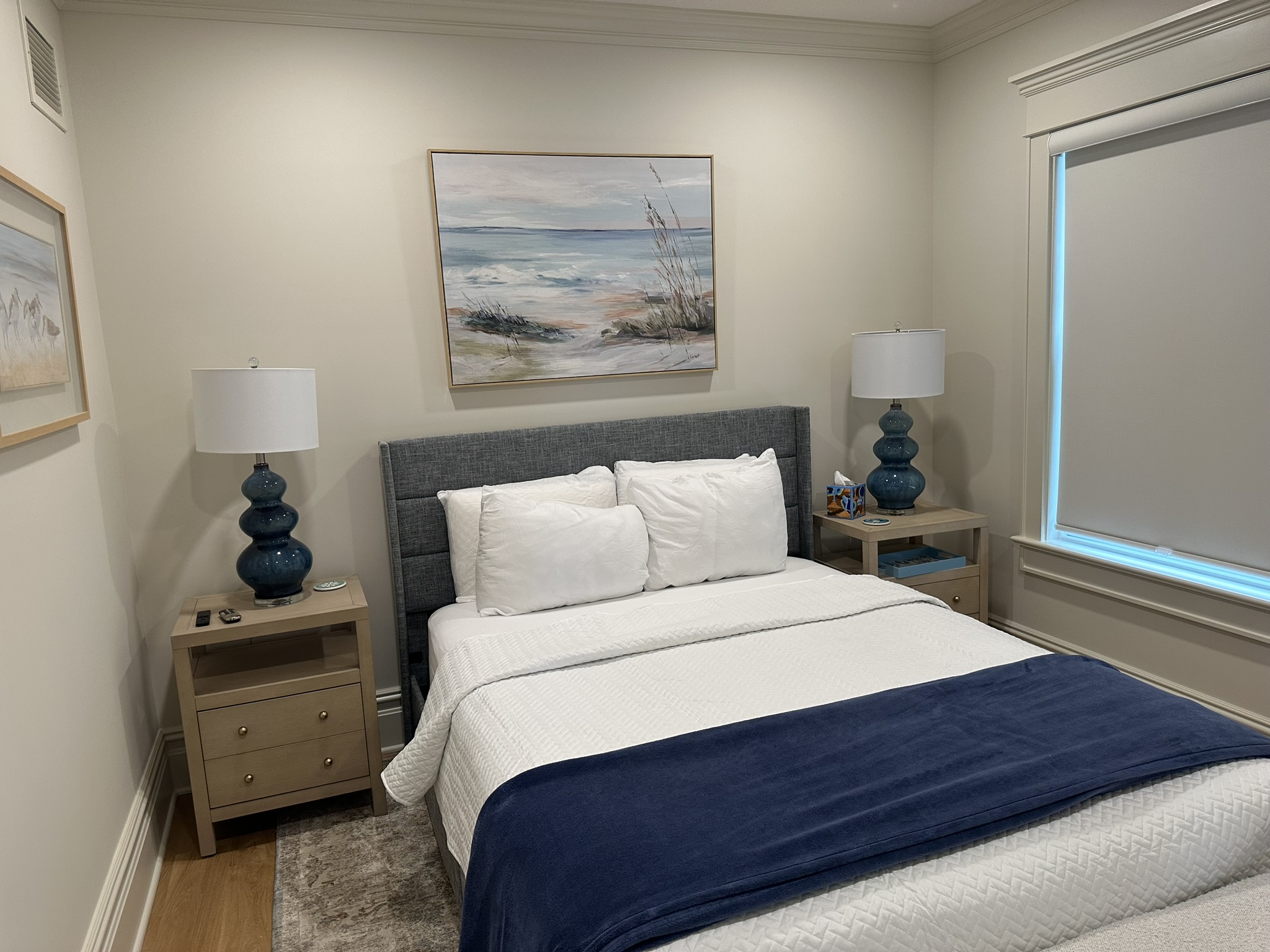
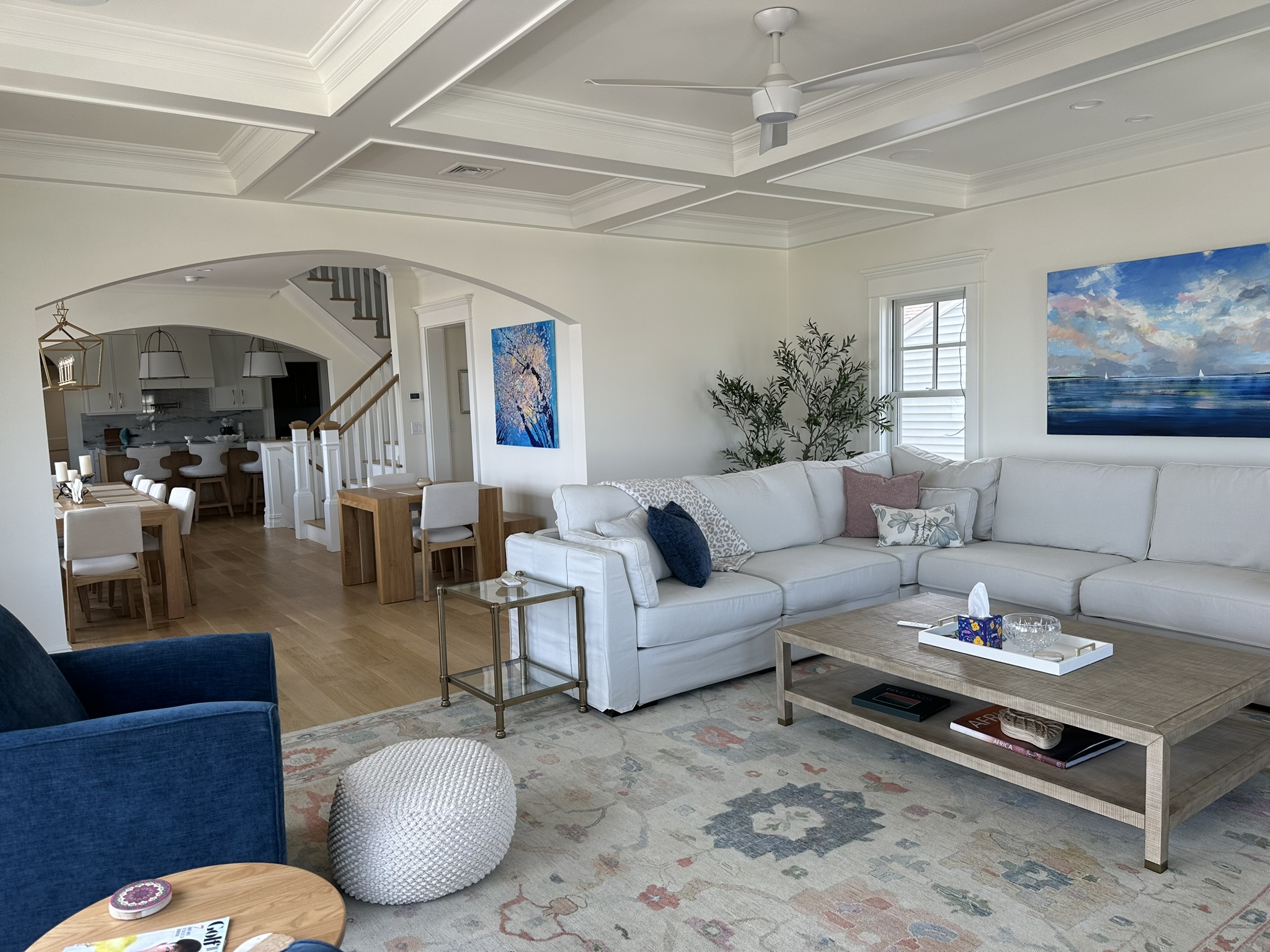
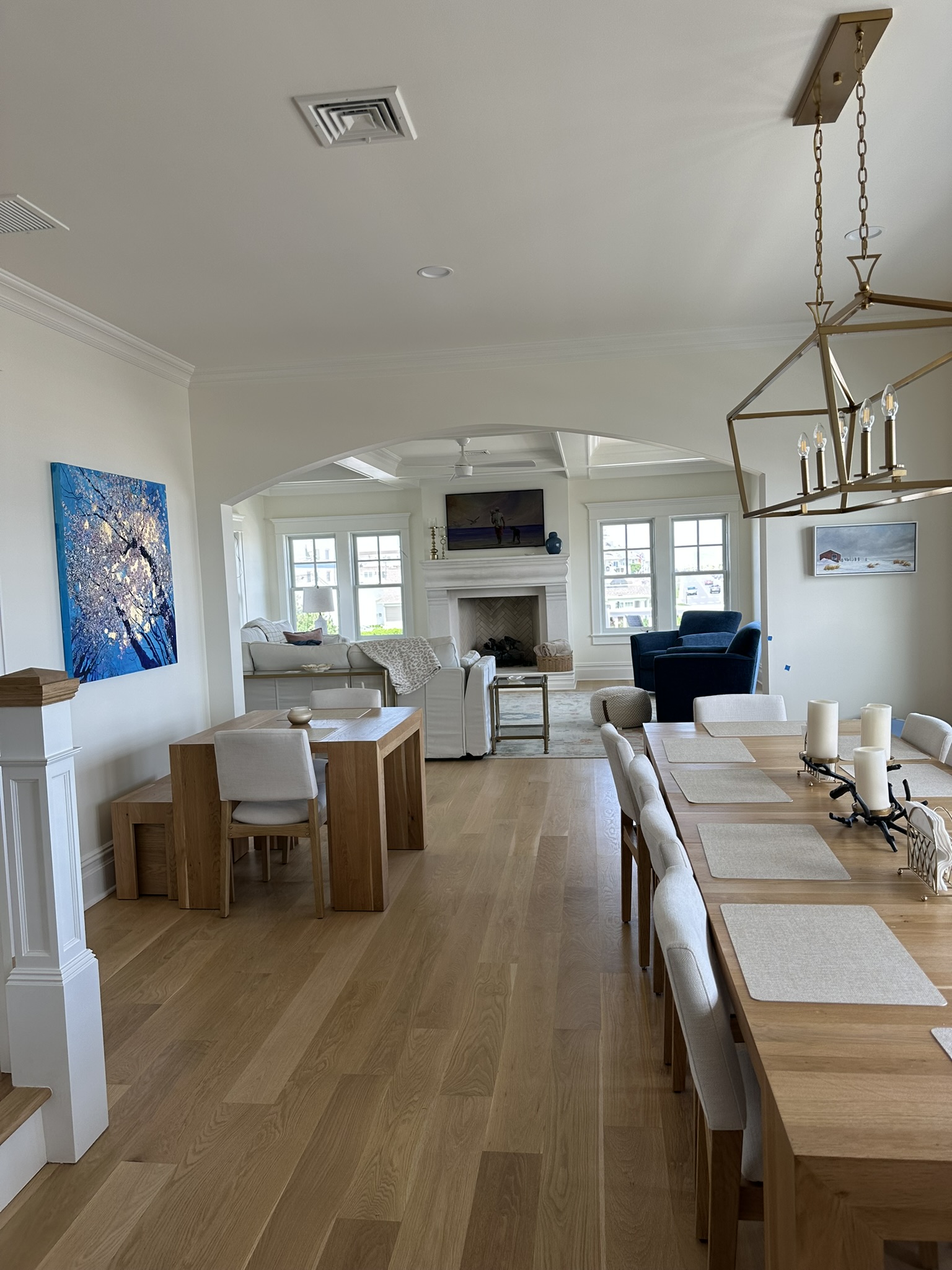
Oceanfront in Avon by the Sea, NJ
Training Fee: $750 – 850 (depending on room selection)
Includes accommodations and casual meals
12 Contact Play Therapy CEs
APT Approved Provider #15-439
12 Hours toward the WASTP Registered Sand Therapist (RST) Credential
This program is approved to provide 12 contact APT and NBCC CEs

Center for Counseling and Education, LLC has been approved by NBCC as an Approved Continuing Education Provider, ACEP No. 7528. Programs that do not qualify for NBCC credit are clearly identified. Center for Counseling and Education, LLC is solely responsible for all aspects of the programs.

APT Approved Provider 15-439
Join us for transformative training overlooking the ocean, where you will gain clarity, intentionality, and the ability to articulate the rationale behind your work as a sandtray therapist. Through experiential practice and practical demonstrations, you will deepen your understanding of the powers of play therapy in Sand Tray therapy. Elevate your practice with children, adults, and families, and take a deeper dive with us bridging the gap between theory and practice!
Learning Objectives:
Objective 1: Describe the historical evolution of sandtray within the broader context of the play therapy field.
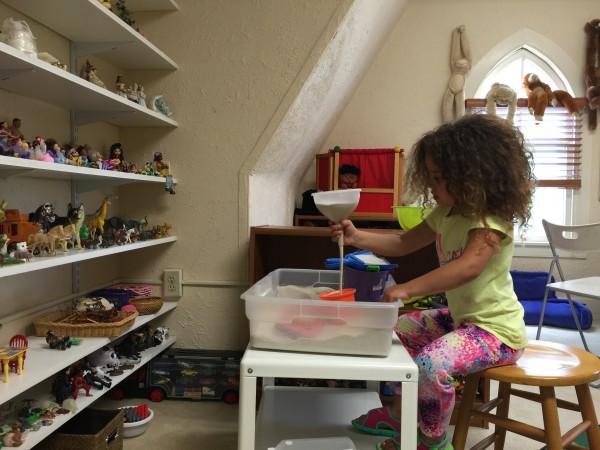
Objective 2: Identify the essential components for a play therapy environment, specifically the selection of trays, sand, and miniature categories used in sandtray play therapy.
Objective 3: Explain two clinical rationales for creating a “free and protected space” to ensure emotional safety during a play therapy session.
Objective 4: Demonstrate the sequential stages of the sandtray play therapy process by facilitating a session with a fellow therapist during our experiential work.
Objective 5: List three specialized processing questions designed to facilitate client expression following a sandtray play therapy experience.
Objective 6: List three observational techniques the play therapist can utilize to deepen their clinical understanding of a client’s sandtray creation.
Objective 7: Explain how to identify clinical entry points in a client’s tray and formulate three amplifying questions rooted in play therapy theory.
Objective 8: List three therapeutic benefits of utilizing sandtray play therapy for clients impacted by trauma.
Objective 9: Describe a grounding directive used in play therapy to support a client who becomes dysregulated during a sandtray intervention.
Objective 10: Compare left and right hemisphere processing and provide supportive arguments for utilizing right-brain-oriented play therapy interventions like sandtray.
Objective 11: Assess a client’s state within the Window of Tolerance based on their somatic presentation during play therapy and select a corresponding “top-down” or “bottom-up” sandtray intervention.
Objective 12: Discuss, from a neurobiological perspective, the relative pros and cons of directive versus nondirective techniques in play therapy when using the sandtray.
Objective 13: Apply Ecker’s Memory Reconsolidation theory to play therapy by creating “mismatch” experiences in the sand to facilitate synaptic unlocking of a client’s traumatic “Old Rule.”
Objective 14: Utilize Cognitive Load Management within play therapy to help clients transition “slippery” internal working models into concrete sandtray representations to reduce prefrontal overwhelm and facilitate internal dialogue.
Target Audience:
Licensed Counselors, Social Workers, Marriage and Family Therapists, and Psychologists. Master’s level students are also welcome to attend.
Registration fee: $750 – 850
Payment plans are available
Registration may be canceled with a full refund (minus credit card processing fees and a $25 administrative fee) by contacting info@cfcenj.com with this request a minimum of 30 days prior to Day 1 of the workshop series.


The World Association of Sand Therapy Professionals has shared research-based Sand Therapy Competencies. We will cover the following competencies at an introductory level:
Knowledge Competencies
-
Sand therapy process – Practitioners have knowledge of how to conduct a session including setting up, facilitating, ending, and documenting the session.
-
Theories – Practitioners have knowledge of various clinical theories that can be used to facilitate sand therapy. Practitioners identify with a primary theoretical orientation and have knowledge of how to apply that approach using sand therapy with clients.
-
Approaches – Practitioners understand different approaches to sand therapy, including sandplay, sandtray, sand therapy, SandStory, and sand-based play therapy.
-
Neurobiological impacts of sandtray – Practitioners understand the neurobiological basis and impacts of sandtray including access to implicitly held memories, arousal patterns, regulation, and sensory experience of sand.
-
Trauma – Practitioners recognize that sand therapy can access embedded trauma, trauma stored in images and senses, and attachment and trauma wounds. Practitioners have knowledge of states of regulation and dysregulation, mind-body integration, and facilitating trauma work with trauma-informed care.
- Sand therapy basics – Practitioners understand the basics of sand therapy including different types of sand and trays used in this modality. Practitioners have knowledge about figures, symbols, images, and miniatures used in sand therapy work. Practitioners can identify categories for grouping these figures and symbols.
- Limitations of sand therapy – Practitioners acknowledge and respect the limitations, contraindications, and boundaries of sand therapy.
- Diversity – Practitioners have knowledge and respect for diverse clients with respect to race, ethnicity, age, gender identity, gender expression, sexual orientation, neurodiversity, disability, spirituality, and socioeconomic status.
- Directive and nondirective uses – Practitioners have knowledge of both directive and nondirective uses of sand therapy.
- Metaphor – Practitioners recognize the use of metaphor and symbolic meaning to elicit insight and awareness.
- Healing power of play – Practitioners understand that sand therapy is an expressive and creative approach. Practitioners recognize the healing nature of play and the therapeutic powers of play inherent in sand therapy.
- Person of the sand therapist – Practitioners recognize the influence of the person of the therapist in the sand therapy process. This involves practitioners’ understanding, awareness, and acceptance of their own personal issues, qualities, and culture and how this influences clients and their work in sand therapy.
Skills Competencies
- Therapeutic presence – Practitioners demonstrate therapeutic presence through unconditional witnessing and nonverbal communication, including facial expressions, gestures, eye contact, and physical proximity.
- Application of theory – Practitioners demonstrate clinical skills through the application of a primary theoretical orientation, including an understanding of key concepts, techniques, and the role of the therapist.
- Basic skills – Practitioners demonstrate a mastery of basic counseling skills. These include attending, silence, authenticity, reflection of content, feeling, and behavior, empathy, summarizing, and challenging skills.
- Questions – Practitioners demonstrate intentional and appropriate use of open-ended and close-ended questions to facilitate sand therapy processing. Practitioners exhibit skills for responding to client questions in sand therapy sessions.
Attitudes Competencies
- Trust/respect client – Practitioners demonstrate trust and respect of the client and what they bring to the sand therapy session.
- Trust/respect process – Practitioners demonstrate trust and respect of the client’s process and how they engage and respond in the sand therapy session.
- Openness – Practitioners demonstrate openness, curiosity, patience, and flexibility in the sand therapy process.
- Humility – Practitioners demonstrate humility by reducing the emphasis of the therapist as all-knowing and increasing the emphasis on the clients as expert in their own lives and experiences.
- Unconditional positive regard – Practitioners value unconditional acceptance and respect for the client without evaluation or judgment.
- Powerful work – Practitioners acknowledge that sand therapy is powerful work that can uncover deeply held beliefs, values, memories, and experiences.
Kjellstrand Hartwig, E., Homeyer, L., & Stone, J. (2023). Sand therapy competencies: A qualitative investigation of competencies for sand therapy practitioners. World Journal for Sand Therapy Practice®, 1(5). Retrieved from https://wjstp-ojs-txstate.tdl.org/wjstp/article/view/3
Grievance and Refund Policy
The Center for Counseling and Education, LLC (CFCE) is fully committed to conducting all activities in strict conformance with the American Psychological Association’s Ethical Principles of Psychologists and the National Board of Certified Counselors Code of Ethics. CFCE will comply with all legal and ethical responsibilities to be non-discriminatory in promotional activities, program content, and in the treatment of program participants. The monitoring and assessment of compliance with these standards will be the responsibility of Meg Clark Soriano, MA, LPC, ACS, RPT-S, RST-C/T.
While CFCE goes to great lengths to assure fair treatment for all participants and attempts to anticipate problems, it recognizes that complaints do and will arise. CFCE will do its best to anticipate problems and, when they do present themselves, will attempt to alleviate complaints as quickly as possible.
When a complaint, either verbally or written, is filed with the Education Coordinator, the following guidelines are followed with respect to achieving resolution:
1. Complaints relative to a speaker or workshop leader, contents of instructional materials being presented, or an individual educational style being utilized, the individual voicing disapproval is requested to first address concerns to the presenter. If the presenter is not available, place his/her comments in writing. The Education Coordinator will convey these comments to the speaker while maintaining confidentiality of the complainant.
2. If the complaint concerns a continuing education activity, its content, level of presentation, or facilities in which the event is being held, the Education Coordinator will attempt to resolve the matter as expeditiously as possible. If the offered resolution is not satisfactory to the individual filing the complaint, then further action may be taken.
In the latter instance, the individual is requested to place his/her complaint in writing to the attention of the Education Coordinator. The complaint is then reviewed by the Education Coordinator in consultation with the Director. A written response will be issued within 30 days of receipt of the written complaint. Within 30 days of the resolution rendered by the Education Coordinator, the complainant may file a written appeal to the Director. The decision of the Director is final.