
Help! My Kid is Bored: Surviving the Summer Vacation Slump

Help! My Kid is Bored: Surviving the Summer Vacation Slump
By: Angela Mancao, MSW, LCSW
It happens every year like clockwork. The school year ends with cheers and excitement, and within a few weeks, two dreaded words echo through the house: “I’m boooooored.”
As parents, it’s easy to feel an immediate spike of irritation and pressure when we hear this. We live in a culture that tells us we need to constantly curate the perfect, enriching summer experience. We see it all the time on social media!
But here is your permission slip to take a deep breath: You don’t have to entertain your kids 24/7. Boredom actually has massive benefits, and you can use practical parenting strategies to help your children navigate this feeling without losing your mind.
What is boredom?
Boredom happens when the brain lacks engaging or meaningful stimulation. It occurs when there is a mismatch between a one’s internal energy and the task at hand.
Instead of a problem to fix, look at boredom as a signal: it lets a person know their brain is seeking something more novel, interesting, meaningful, or challenging.

The Benefits of Boredom
Boredom is actually a mental health superpower for kids. When we step back and let them sit with a lack of external stimulation, their brains do some pretty incredible things:
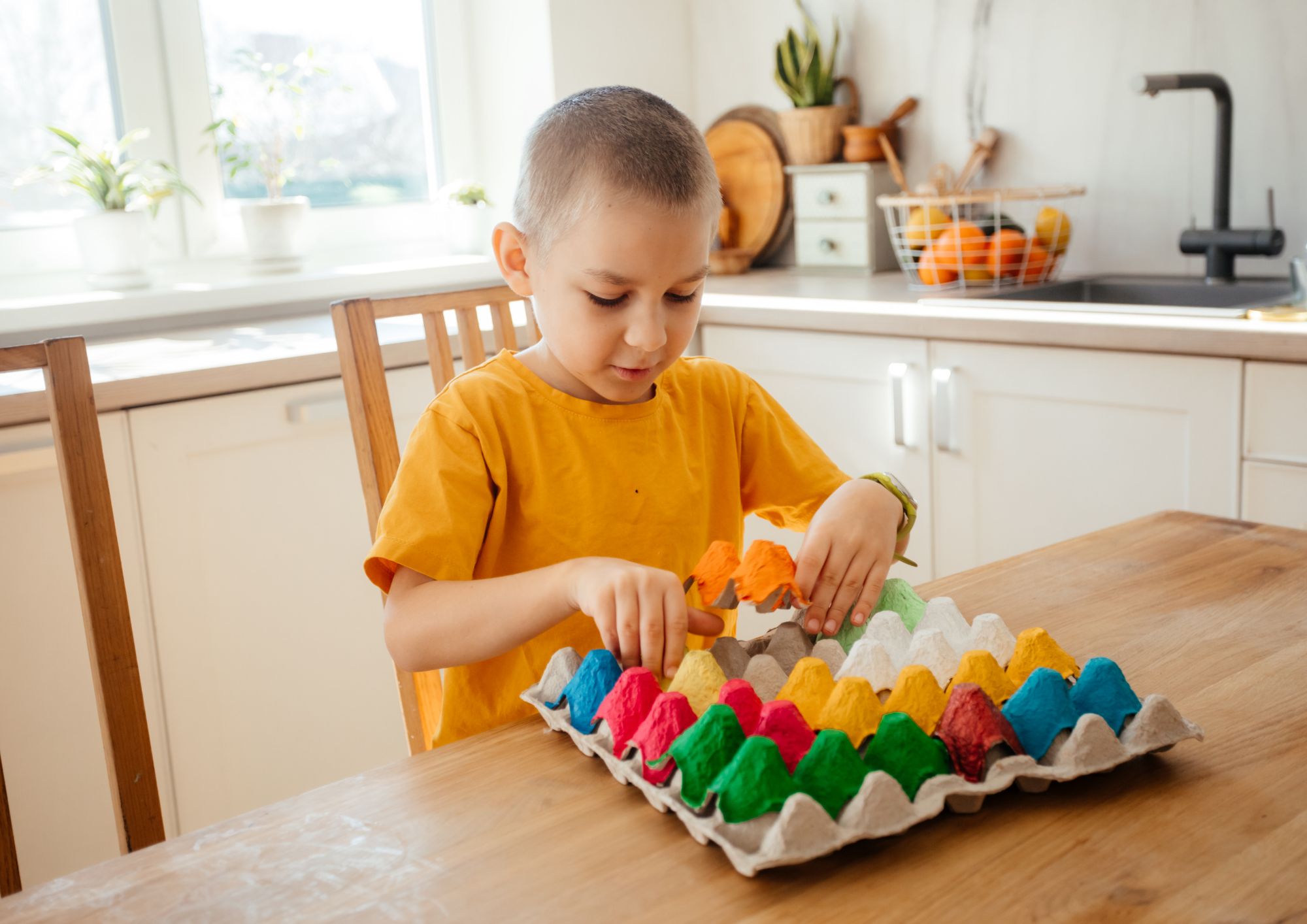
- Sparks Creativity: Imagination flourishes in the quiet moments. Boredom forces kids to get creative and invent new games, build forts, or pick up a book they would normally ignore.
- Builds Resilience, Distress Tolerance, and Executive Functioning Skills: Learning how to navigate the discomfort of having “nothing to do” teaches self-regulation, cognitive flexibility, problem-solving, and distress tolerance.
- Encourages Mindfulness: It allows their nervous systems to switch gears from the rigid, high-achievement schedule of the school year into a slower, more restorative pace.

What is the Parent’s Role?
Parents and caregivers often feel immense pressure to eliminate uncomfortable feelings for their children. We get it—no one wants to see their kids struggle.
But let’s take a step back and look at the big picture. What lessons do you want your child to learn? If you always jump in to save them from boredom (and any other big feeling), they might learn that they aren’t capable of handling unpleasant emotions on their own.
Instead, try these approaches:
- Reframe boredom for yourself: Choosing not to fix the “boredom problem” does not make you a bad parent. It provides an opportunity for your child to build distress tolerance, regulate their emotions, and tap into their creativity – all skills we hope our children foster throughout their lives. Take the pressure off your shoulders. You can support them without offering a solution.
- Validate their feelings while expressing confidence: Instead of scrambling to find an activity, lean in with validation: “It’s okay to feel bored sometimes. I can’t wait to see what your brain decides to create today.”

My Child Feels Overwhelmed When Bored. Do I Just Let Them Struggle?
If your child struggles to tolerate boredom and starts spinning into overwhelm, you can absolutely play a more active, supportive role without taking over:
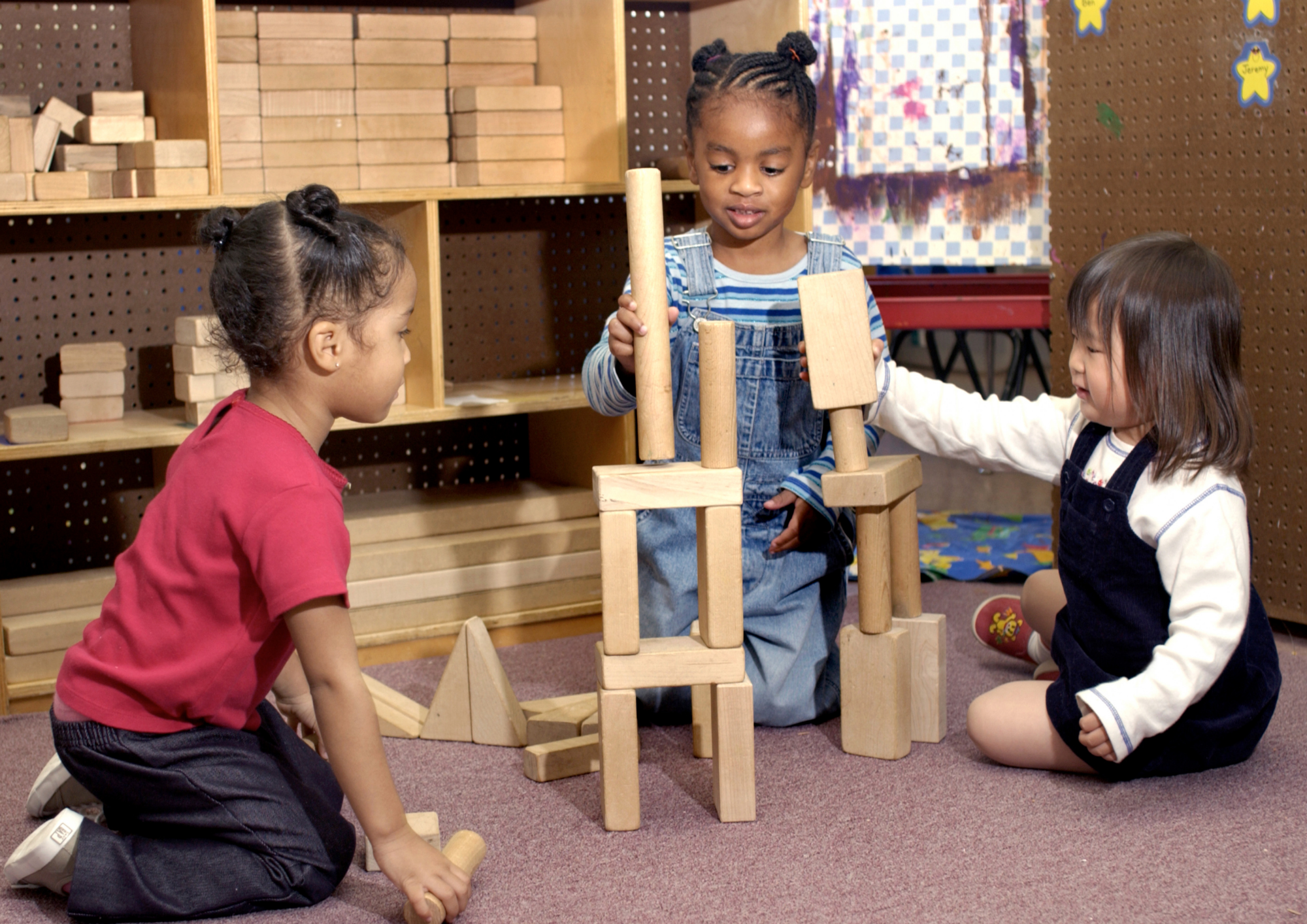
- Give them a specific place to start: Too many choices can paralyze kids. By giving them a specific place to start, you’re providing a safe container that still encourages autonomy and decision-making. Next time, try offering a simple ‘this or that’ setup: “I put out your blocks and some art supplies if you’re looking for something to do.”
- Invite them into your routine: Offer the option to join your current task: “I’ll be doing yard work outside. You can play on your own, or you can help me tend to the garden.”
- Check in on them: When a child is already overwhelmed, forcing a quick decision can lead to a meltdown. Give them some breathing room with a safety net: “I’ll check back in ten minutes, and if you’re still having a hard time, we can decide on something together.”
Proactive Tools: The Boredom Menu
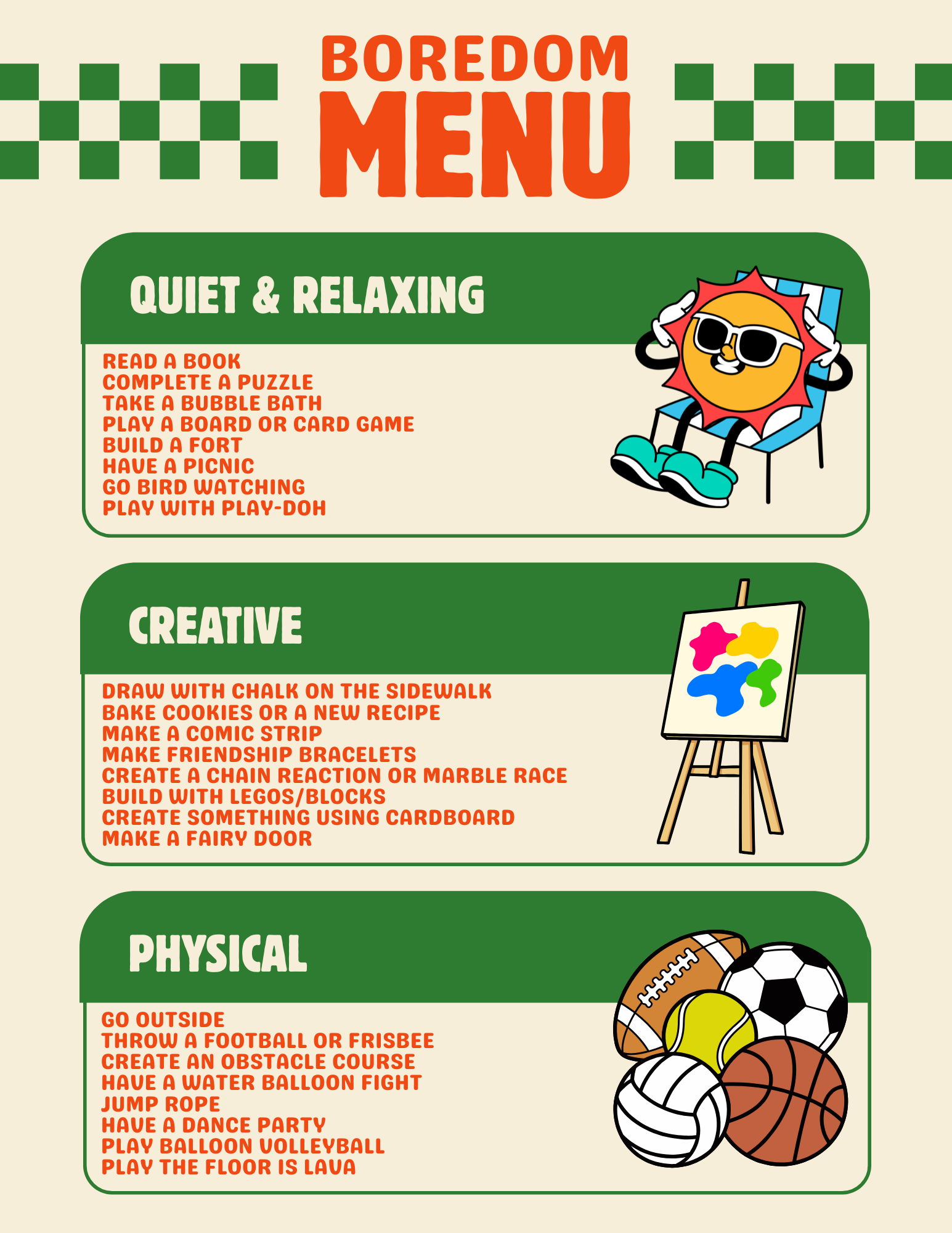
If you want to get ahead of the slump, co-create a Boredom Menu with your child. This is a variation of the “dopamine menu” concept popularized on social media. (You can learn more about the Dopamine Menu here.)
Sit down together and list activities your child enjoys. You can organize these options by time commitment (quick “appetizers” vs. involved “entrees”) or by type (creative, physical, or quiet and relaxing). When boredom strikes, they can look at the menu and choose their own adventure.
Alternatively, you can create a Boredom Jar by writing these activities on slips of paper or popsicle sticks for your child to draw randomly.
Check out our example of a Boredom Menu:
Need More Support?
Struggling with boredom and other big feelings doesn’t stop when the school bell rings in September.
If you are looking for support to navigate parenting challenges, or want to help your child develop the tools to manage difficult emotions, the Center for Counseling and Education is here to help.
Contact our office today to schedule a session with a licensed therapist.